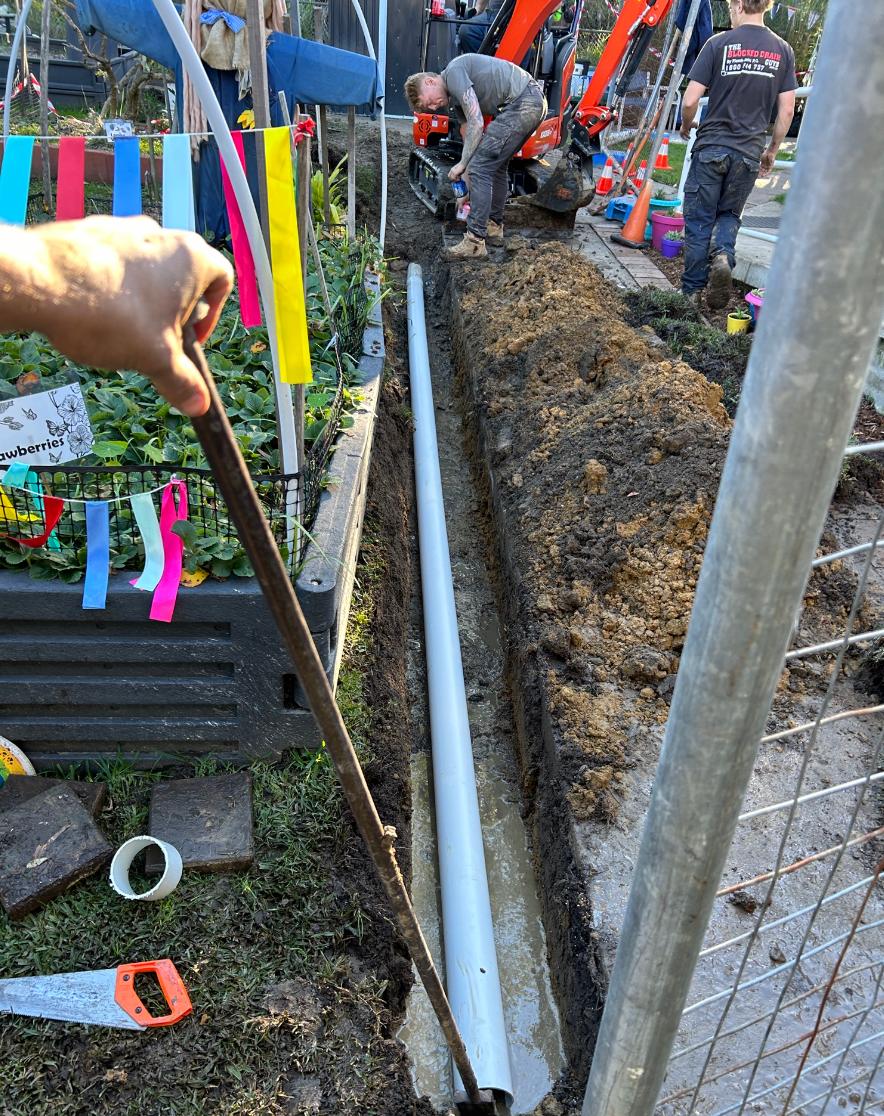
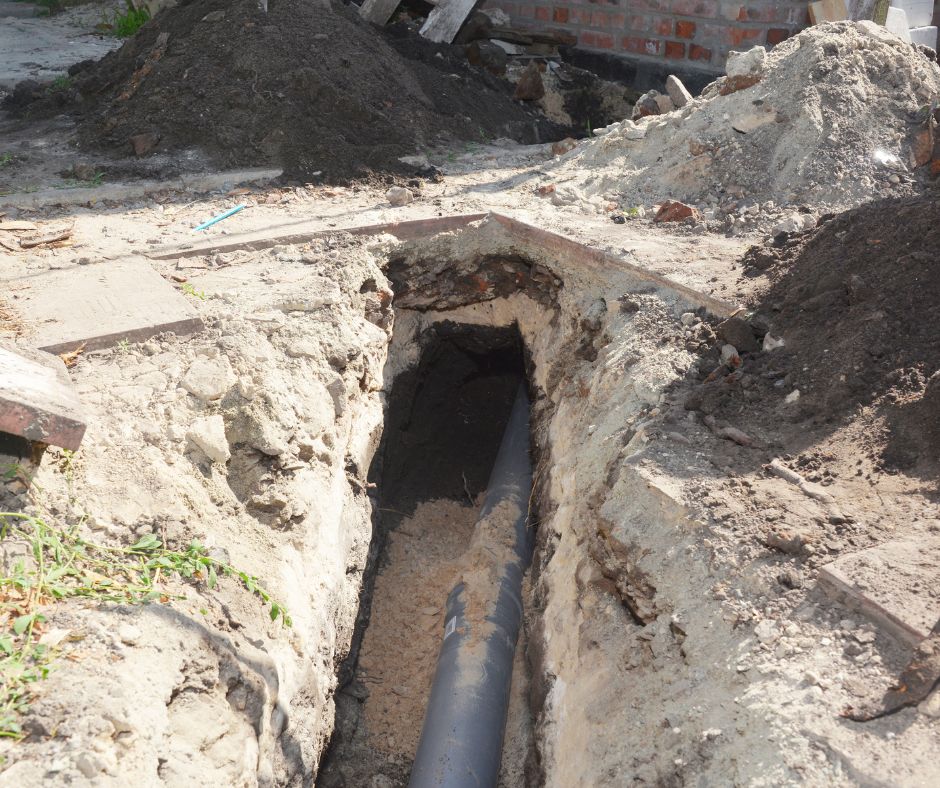
Hitting a sewer or water pipe during excavation is expensive and messy. Before you dig for a renovation, pool, landscaping, or new build, find out where the pipes run. The Blocked Drain Guys locate underground pipes across Sutherland Shire and Sydney so you can dig with confidence.
Why would you need underground Pipe Locating?
Underground pipes are an essential part of any plumbing system, but they can be difficult to locate. Whether you’re trying to install a new pipe, repair an old one, or simply need to know where your pipes are located, you need the right tools and techniques to get the job done. With many different pipes and underground utilities such as power and communication cables, the days of “Guessing” where to dig is long gone.
Any excavation work carries the risk of accidentally damaging the underground pipes that contain gas, drinking water, sewerage, storm water, electricity and telecommunications. If you hit gas pipes or electric cables, you are risking lives. So when breaking up the subsoil, you need to know what’s underneath.
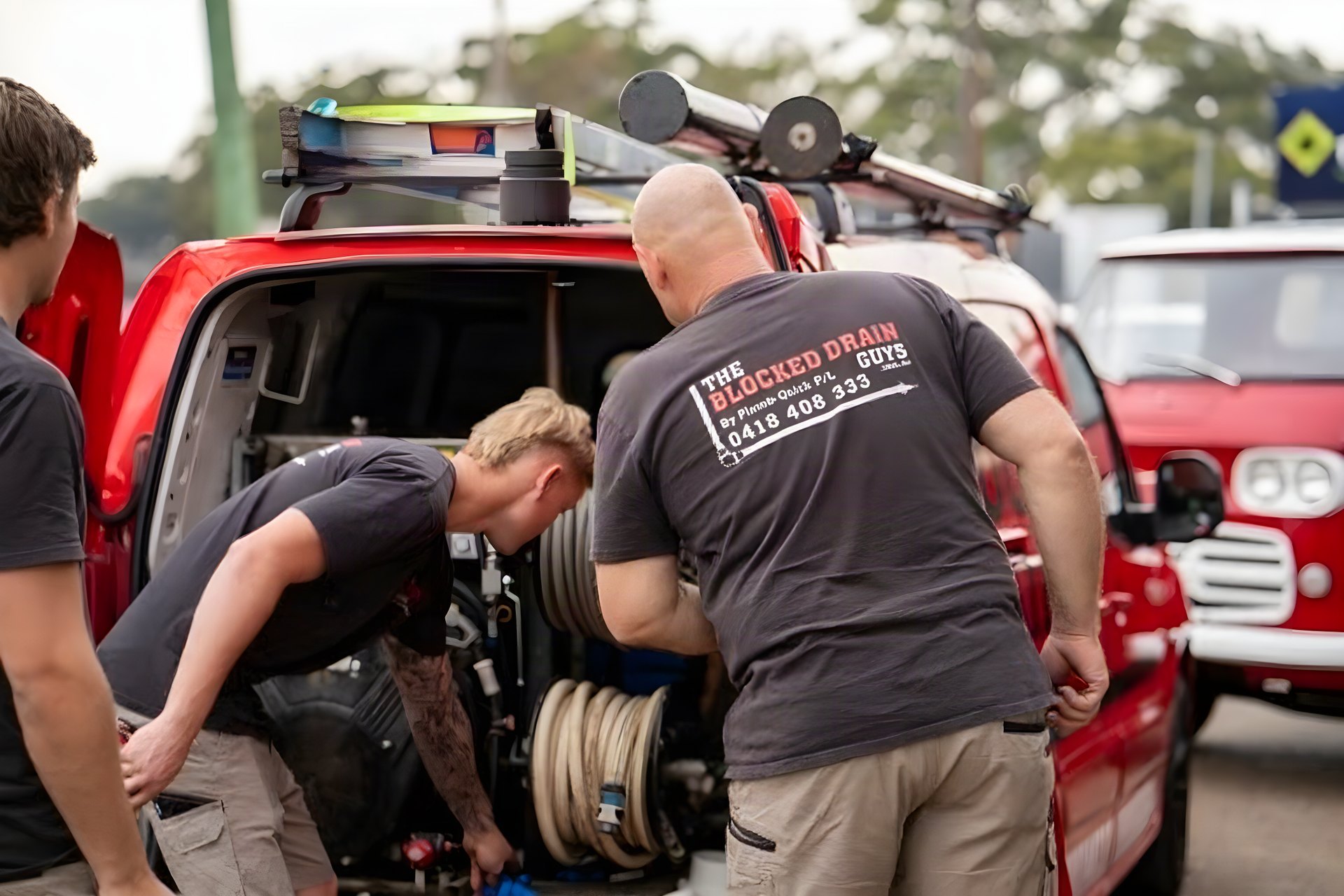
With vast experience of more than 30 years in pipe locating underground, The Blocked Drain Guys’ pipe locating drain specialists use various methods, depending on what the pipes are made of, and specialized electromagnetic locating equipment to safely locate the type and depth of underground pipes before you dig or excavate.
How To Locate Pipes
Pipes can be made of different materials such as PVC, copper, or galvanized steel, and can range in diameter from small to large. Pipes can be located underground, behind walls, or above ground, and their location can be affected by factors such as soil conditions, depth, and age. Understanding these basics is crucial to successful pipe location.
Therefore, we use a combination of technologies to ensure we can accurately locate all relevant underground pipes.
Advanced Pipe Location Techniques
- If a pipe is made of metal or conductive material, we generally consider electromagnetic locating methods to be the best process. This process directly connects a transmitter that induces a traceable electromagnetic field along the pipe.
- If the pipe is made of non-conductive materials such as plastic, Ground Penetrating Radar (GPR) is often our preferred method. GPR eliminates the need to connect to a pipeline with direct leads or wires and is not limited to locating metal pipelines. However, GPR can also detect underground structures, including rocks, concrete and tree roots. For this reason, we use both devices together when pipe locating.
- Hydro excavation, which uses pressurized water and a vacuum to remove soil and expose pipes. This method is particularly useful for avoiding damage to pipes during excavation.
Engaging professional pipe locators is necessary to avoid risks if you face underground drainage problems. So be sure to call us before you dig.