
Blocked stormwater drains don’t fix themselves
A blocked stormwater drain will not clear on its own, and every storm washes more leaves and silt into the blockage. If you own a home in the Sutherland Shire, you’ve probably seen what a blocked stormwater drain does: water pooling across the yard, or worse, backing up into the roof. It’s easy to forget that your gutters and downpipes are all part of the same stormwater system, so when one part clogs, the rest cops it.
It’s a common enough problem, and left alone it does real damage, to your property, to the local waterways, and to public health.
What stormwater drains are actually for
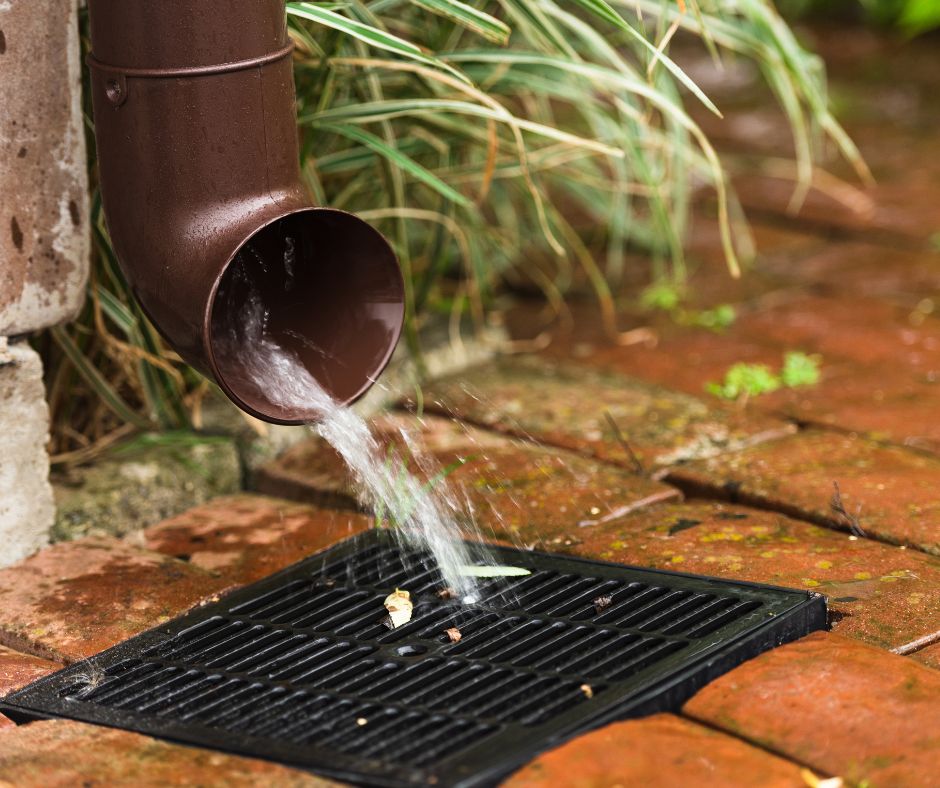
Stormwater drains carry rainwater away from your home and yard, and that’s all they’re for. They’re a completely separate system from your sewer. Some properties also have extra drainage or stormwater pits to handle the runoff.
The key thing to know is that they’re for rainwater only, not a spot to tip anything else. Used the way they’re meant to be, they stop your yard flooding in heavy rain and keep pollutants out of the creeks and the ocean. Around here that runoff ends up in our waterways, so it matters.
When they block up, it’s usually leaves, litter and debris behind it, and the water has nowhere to go. That’s when you get flooding and stagnant pooling. A bit of routine upkeep goes a long way:
- Clean your gutters and drainage points regularly, and clear any obstruction sitting on top of the grates.
- Keep leaves and organic matter out: don’t rake or sweep dirt and leaves toward the drains. Put it in the green bin or the compost.
- Fit leaf diverters to your downpipes to stop leaf matter building up in the line.
If you’d rather not get up a ladder, a licensed plumber or blocked drain specialist can inspect and clear your blocked stormwater drains for you.
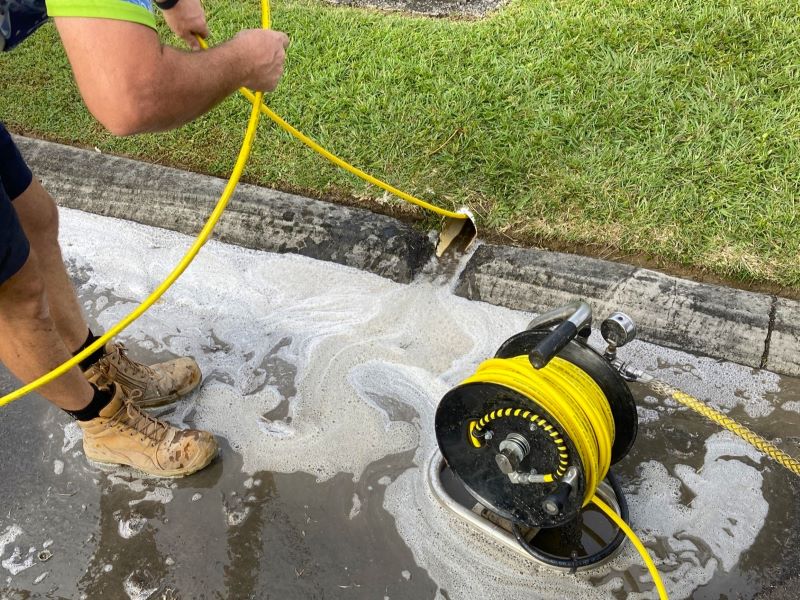
The 5 common causes of a blocked stormwater drain
In heavy rain, debris and litter wash into the system and pile up. Once a stormwater drain clogs, it overflows, and the water floods whatever’s nearby. These are the five causes we find most often.
1. Leaves and garden waste in the stormwater drain
This is the most common cause of a stormwater drain blockage. Leaves wash off the roof, down the downpipe and into the line, where they pack down and set. Gum trees drop leaves all year, so the build-up is steady.
2. Tree roots in the stormwater pipe
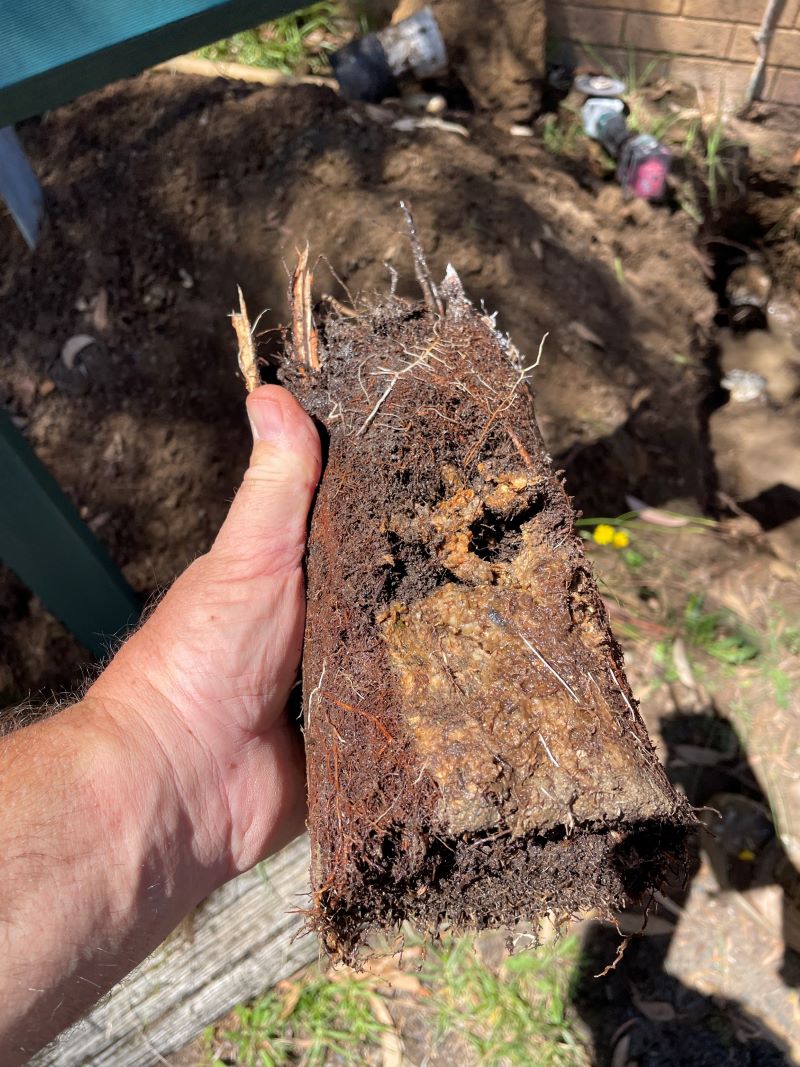
Roots follow moisture, and a stormwater pipe with a crack or an open joint gives them a way in. Once tree roots are inside, they keep growing and catch everything that washes past.
3. Silt, sand and sediment in the drain
Dirt and sand wash in over the years and settle in the low points of the line. The pipe carries a little less water each season, until one heavy storm is too much for it.
4. Cracked or collapsed stormwater pipes
Older stormwater pipes are often thin walled and laid shallow. Ground movement, a car driving over the line or building work above it can crack the pipe or push it out of alignment, and the drain blocks at the break.
5. Paint, concrete and rubbish tipped down the storm drain
Paint, tile slurry and concrete washings set hard inside the pipe. They usually come from renovation work, sometimes from years ago.
A line that never gets maintained is the one that gives you trouble. And when stormwater has nowhere to go, you can end up with property damage, water across the road, and a genuine safety risk to people and pets. It’s more than a nuisance: overflowing stormwater carries pollutants and contaminants straight into local creeks and rivers, which is bad news for wildlife and for water quality.
How do you know if a stormwater drain is blocked?
The signs usually show up while it is raining, or straight after:
- Water pools near the house after rain, especially against a wall.
- A stormwater pit overflows in ordinary rain.
- Downpipes back up and spill over at the top.
- Gutters overflow even though they are clean, which usually means the stormwater drain below is blocked.
- The ground over the line stays soggy for days.
What happens if you ignore a blocked stormwater drain
A blocked stormwater drain does more than pool a bit of water, especially if you’ve got a pool and you’re backwashing into the stormwater. Here’s how it shows up around the yard:
- Soil erosion: when backwash or heavy rain can’t drain away, it sits and runs across the yard, washing the topsoil off and leaving uneven, bare patches.
- Water damage: standing water soaks into the ground and, over time, works its way into your pool deck, patio or even the footings of the house. It’s ideal conditions for mould and mildew too.
- Mosquitoes: stagnant water is a mosquito nursery. A yard that keeps holding water means more of them, and less time you’ll want to spend outside.
- An unhealthy yard: poor drainage and standing water grow algae, fungi and bacteria. You get the smell, the mess, and a breeding ground for other pests.
If your yard isn’t draining as fast as it should, or water’s bubbling back up out of the stormwater grates, give us a call and we’ll take a look.
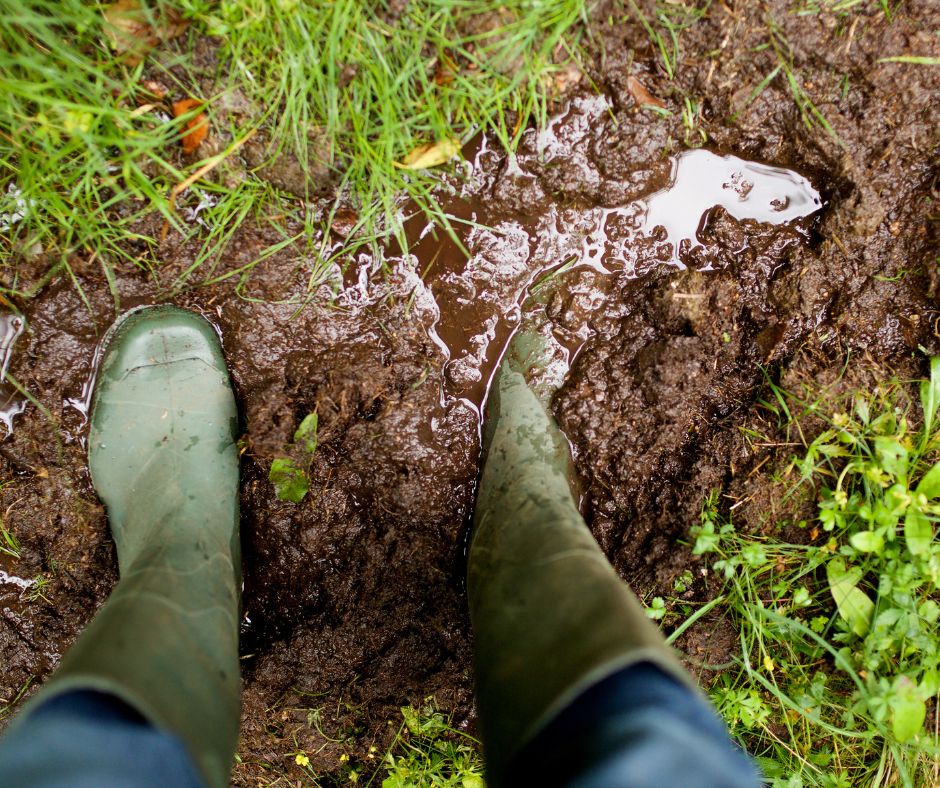
The do’s and don’ts of a blocked stormwater drain
If you’re going to have a go yourself, a few things are worth knowing first.
Blocked stormwater drain do’s
- Clear leaves and garden debris from the yard regularly so it never reaches the drain.
- Call a plumber if there’s a bad smell, or if oil or chemicals have gone down the drain, rather than trying to fix it yourself.
- Check and clear the grates and drains around the place on dry days.
- Wear gloves and sensible clothing when you’re clearing debris.
Blocked stormwater drain don’ts
- Try to unblock a drain in the middle of a storm. Wait for it to ease off.
- Tip chemicals down a storm drain. It runs straight into the waterways, so it does real harm.
- Put anything but stormwater down there. No food waste, rubbish, paint, oil or sewage.
- Reach into a blockage that’s out of sight or hard to get at. That’s the point to call your plumber.
The best approach is to stay ahead of it with regular cleaning. But if a blockage does get away from you, that’s what we’re here for. We’ll sort it quickly and keep the stormwater flowing before it does any more damage.
How to unblock a stormwater drain yourself
You can often clear a simple stormwater drain blockage yourself when it is close to the surface. Start with what you can see.
- Lift the grate and scoop the leaves, mud and rubbish out of the pit by hand, wearing gloves.
- Check the bottom of each downpipe and clear any leaves packed into it.
- Run a garden hose into the drain and watch whether the water gets away or backs up.
- If the water backs up, a hand drain rod or a drain snake can shift a soft blockage within a few metres of the opening.
Boiling water, vinegar, baking soda and chemical drain cleaners will not shift a stormwater pipe packed with leaves, silt or roots, and whatever you pour in ends up in the creek.
If the hose water still backs up, the blockage is further down the line or the pipe is damaged. That is the point to call a plumber with a drain jetter and a camera.
Where does stormwater go when it leaves your property?
It runs to the kerb or to the council’s stormwater pipes in the street, and from there straight into the nearest creek, river or bay. In the Sutherland Shire that means the Georges River, the Woronora River, Port Hacking, Botany Bay or the ocean off Cronulla. Stormwater is not treated on the way, which is why nothing but rain should go down a storm drain.
Whose stormwater is it, yours or the council’s?
This one trips a lot of people up. The stormwater on your property, your gutters, downpipes, the pipes running under the yard and the pit that connects to the street, is generally your responsibility to keep clear. Once it reaches the kerb, the pit in the road or the council’s underground drains, that side sits with your local council, which for most of our customers is Sutherland Shire Council.
It matters because if your yard keeps flooding, the blockage is usually on your side of the line, and that’s where we can help. If you’re in a strata block or a townhouse complex, the shared stormwater pipes are typically the owners corporation’s responsibility rather than any one lot owner’s, so it’s worth checking with your strata manager before you foot the bill on your own. If you’re not sure where your line ends and the council’s begins, we can run the camera and show you exactly where the problem sits.
How we clear blocked stormwater drains
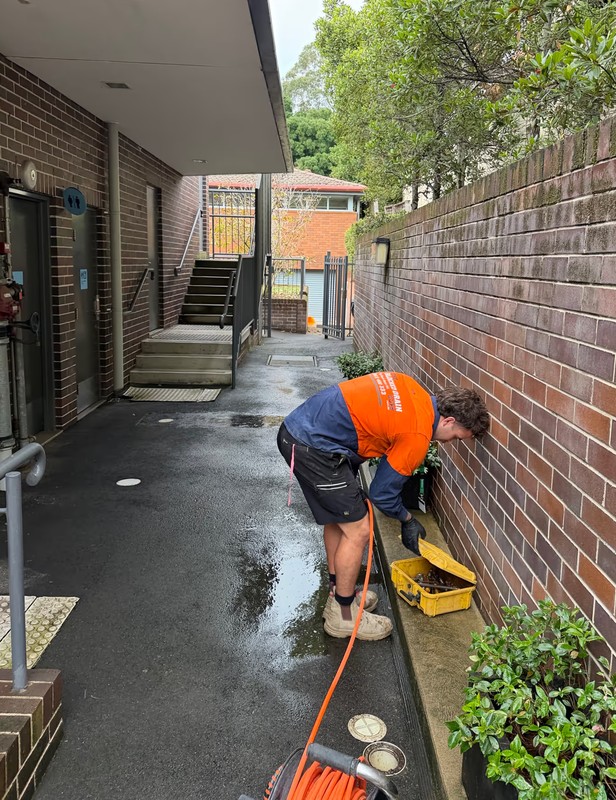
Our team handles all sorts of stormwater drain blockages. We use jet blasting, which is high-pressure water, to break up the clog and flush the debris through, and that clears even the stubborn ones.
Clearing the blockage is only half of it, though. We can also put a CCTV drain inspection camera down the line to have a proper look. That lets us spot the trouble areas and deal with anything like tree roots before it turns into the next blockage. If the camera shows a cracked or collapsed stormwater pipe, we will explain the repair, and pipe relining can often fix it without digging up the driveway.
We try to get onto blocked stormwater drains quickly, because we know the damage they can do if they’re left. Give us a call and we’ll be out to sort it.
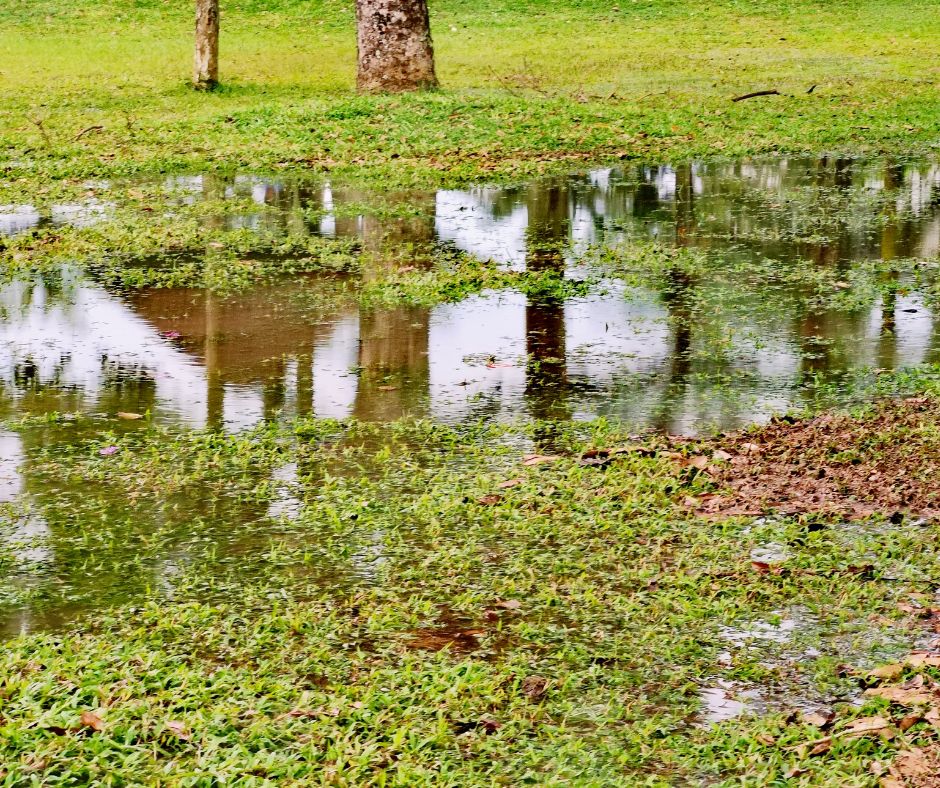
Keeping your stormwater system clear
A bit of regular maintenance is what keeps a blocked drain from happening in the first place, and it protects the yard, the house and the local environment all at once.
Keep the gutters and drainage points clear of leaves and litter and your home stays dry through the heavy rain. Clearing sediment and build-up before it settles is the main thing, and fitting leaf guards to the gutters or downpipes stops most of the leaves and twigs getting into the system to begin with.
Routine clearing matters just as much for strata buildings and commercial properties as it does for a house. Stay on top of it and you head off the emergency call-outs before they happen. Basement car parks rely on stormwater pumps as well, and the pumps need the same regular attention.
At The Blocked Drain Guys we reckon the best move is to look after your stormwater drains all year round rather than wait for a clog. A bit of routine drain cleaning saves you plenty of hassle and cost down the track. Get in touch if your drains are blocked and we’ll take care of it.
Blocked stormwater drain FAQs
Can a blocked stormwater drain damage my home?
Yes. Water that cannot get away soaks in beside the house and can reach the footings, the subfloor or the garage. A blocked downpipe can also push water back up into the roof. The sooner a blocked stormwater drain is cleared, the less time the water has to do damage.
Can I unblock a stormwater drain myself?
Often, if the blockage is at the grate, in the pit or at the bottom of a downpipe. Clear what you can reach and test the drain with a hose. A blockage you cannot reach, or one that comes back after every storm, needs a drain jetter and a camera.
Will clearing a blocked stormwater drain mean digging up my driveway?
Usually not. Jet blasting clears the drain from the pit or the downpipe, with no digging. If the pipe itself has collapsed, pipe relining can often repair it from the inside.
How often should stormwater drains be checked?
Look over the grates, pits and downpipes before the wetter months and again after any big storm. Properties under large trees need it more often. A stormwater drain that has blocked before is worth a camera inspection, so the cause can be found and fixed.